




A stroke can change a person’s life in an instant affecting movement, speech, balance, and overall independence. While the road to recovery can feel overwhelming, neuro physiotherapy offers hope, structure, and measurable improvement.
From regaining movement in the limbs to walking again, neuro physiotherapy is a cornerstone of post-stroke care. Whether you’re recovering from a mild or severe stroke, a tailored rehab plan can dramatically improve function and quality of life.
What is Neuro Physiotherapy?
Neuro physiotherapy is a specialized branch of physiotherapy that focuses on rehabilitation of patients with neurological disorders—including strokes, spinal cord injuries, traumatic brain injuries, and conditions like Parkinson’s disease and multiple sclerosis.
In the case of stroke recovery, neuro physiotherapy helps retrain the brain and body to regain lost movement, coordination, and strength. The treatment uses techniques such as:
-
Muscle re-education
-
Balance and coordination training
-
Gait training
-
Motor control exercises
-
Sensory stimulation
-
Functional mobility training
Why Neuro Physiotherapy is Critical for Stroke Recovery
1. Promotes Neuroplasticity
After a stroke, the brain’s ability to adapt and rewire itself—called neuroplasticity—is essential for recovery. Neuro physiotherapy leverages this by guiding repetitive, targeted movement to help the brain form new neural connections.
2. Improves Mobility and Balance
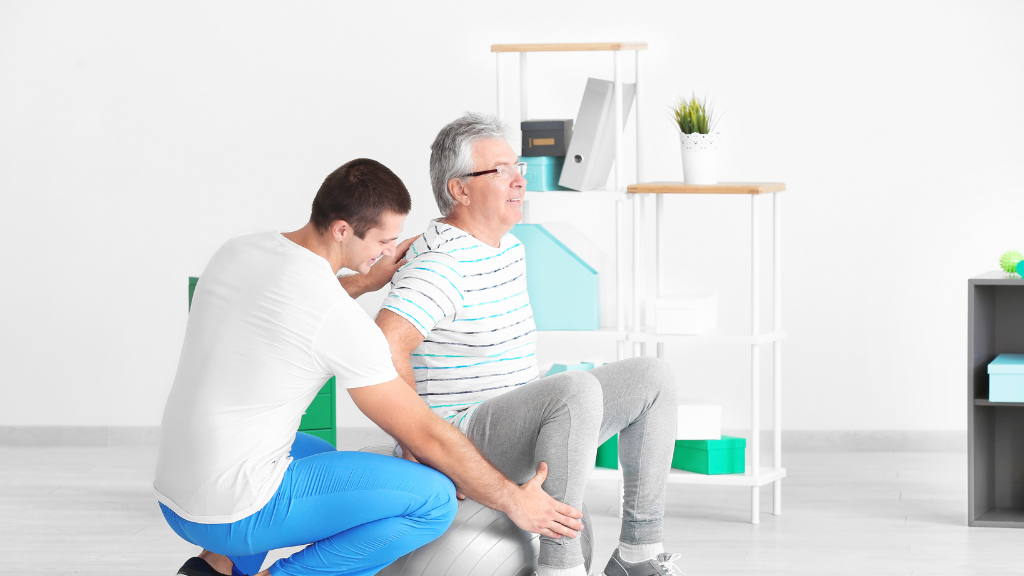
Patients often struggle with walking and balance after a stroke. Neuro physiotherapy uses gait training, balance boards, and assistive devices to help patients safely learn to walk again and reduce the risk of falls.
3. Restores Strength and Coordination
Muscle weakness or paralysis (often on one side of the body) is common post-stroke. Through stroke recovery exercises, neuro physios work on regaining control and strength in affected limbs to allow for daily activities like holding objects, getting out of bed, or dressing.
4. Reduces Spasticity and Joint Stiffness
Stroke physio techniques such as stretching, passive movement, and manual therapy help reduce spasticity (involuntary muscle stiffness or tightness), making it easier to move and control the affected limbs.
5. Enhances Independence in Daily Activities
From brushing teeth to preparing meals, everyday tasks can be frustrating post-stroke. Neuro rehab physiotherapy integrates functional training into therapy so patients can reclaim their independence gradually and confidently.
Best Stroke Recovery Exercises in Neuro Physiotherapy
Here are some common, clinically approved stroke recovery exercises:
-
Passive range-of-motion (ROM) exercises – For patients with minimal control, a therapist moves joints to prevent stiffness.
-
Weight shifting – Improves balance and prepares for standing and walking.
-
Bridging exercises – Strengthens glutes and lower back, aiding in bed mobility.
-
Sit-to-stand training – Helps with transitioning from seated to standing, critical for independence.
-
Walking with parallel bars – Trains symmetrical movement and step control.
Every neuro physiotherapy plan should be customized based on the patient’s type of stroke, severity, and recovery stage.
Neuro Rehab Physiotherapy Clinics in Mira Road
Accessing qualified and compassionate care is essential for stroke recovery. If you’re based in Mira Road or surrounding areas, there are several physiotherapy clinics offering specialized neuro rehab physiotherapy, including:
These clinics offer personalized programs, modern therapy equipment, and experienced therapists trained in physical therapy for stroke rehabilitation.
How Soon Should You Start Neuro Physiotherapy After Stroke?
The earlier, the better. Ideally, neuro physiotherapy should begin as soon as the patient is medically stable usually within 24 to 48 hours post-stroke. Early intervention improves outcomes by capitalizing on the brain’s natural healing window and helps prevent secondary complications like joint stiffness, pressure sores, or muscle atrophy.
Realistic Goals with Neuro Physiotherapy
Stroke recovery takes time and commitment. With consistent neuro physiotherapy, patients can work toward:
-
Relearning how to walk independently
-
Using their affected arm or hand for daily tasks
-
Regaining speech and swallowing (in combination with speech therapy)
-
Returning to hobbies, work, or partial independence at home
Therapists set small, achievable milestones that lead to long-term functional improvement. Progress is tracked through functional assessments and movement tests.
What to Expect During a Neuro Physiotherapy Session
During your session, you can expect:
-
A full assessment of your movement, balance, strength, and coordination
-
Hands-on assistance and cueing to retrain movement
-
Repetition of movement tasks to reinforce brain-muscle coordination
-
Adaptation of techniques over time as you improve
Therapists may also recommend adaptive aids, orthotics, or home modifications as needed.
Conclusion: Rebuild Your Strength with Neuro Physiotherapy
Stroke recovery is a journey but one filled with hope and possibility. With the right support, many stroke survivors regain mobility, independence, and quality of life. Neuro physiotherapy is not just about movement; it’s about empowering you or your loved one to live more fully again.
If you’re looking for experienced professionals offering neuro rehab physiotherapy or stroke physiotherapy in Mira Road – now is the time to start.