





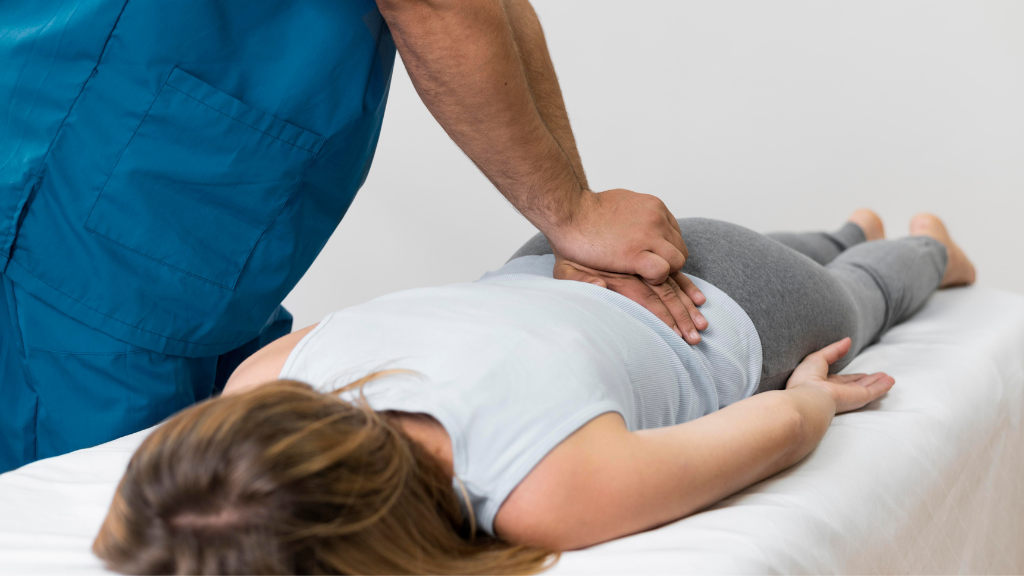
Sciatica can be debilitating, sharp, burning pain that radiates from your lower back down through your legs, tingling sensations, and even numbness. For many people, it seriously affects daily life. But the good news is that physiotherapy for sciatica offers a proven, non-invasive path to lasting relief.
At Dr. Vigil’s Advanced Physiotherapy Clinic, we specialize in physiotherapy for sciatica that combines expert assessment, personalized treatment strategies, and long-term management to help you reclaim comfort and mobility. With years of experience treating back and nerve pain, our team delivers tailored solutions for every stage of recovery, whether you’re just beginning your journey or working on complete rehabilitation.
Understanding Sciatica: What is it and What Causes it?
Sciatica is not just “back pain”; it refers to pain that travels along the sciatic nerve, the longest nerve in the body that runs from your lower spine, through the buttocks, and down each leg. When this nerve becomes irritated or compressed, it triggers intense discomfort, often described as shooting pain, burning sensations, or electric shock-like jolts.
The most common sciatic nerve pain causes include:
- Herniated or bulging discs (PIVD) placing pressure on nerve roots
- Spinal stenosis or narrowing of nerve passages
- Degenerative disc disease
- Muscle tightness, such as piriformis syndrome
- Trauma or injury to the lower back or pelvis
- Poor posture that increases spinal stress
These causes can lead to lower back nerve pain that radiates into the legs, hips, or feet, often worsening with sitting, bending, or sudden movement. Recognizing the underlying cause is essential to plan effective physiotherapy for sciatica and prevent recurring pain.
Why Choose Physiotherapy for Sciatica?
Physiotherapy for sciatica addresses more than symptom masking. Instead, it targets the root biomechanics of your pain and restores functional movement patterns. Here’s why it’s one of the most trusted long-term solutions available:
- Non-surgical and drug-free
- Improves flexibility and strength
- Reduces nerve compression
- Restores mobility
- Reduces recurrence risk
At Dr. Vigil’s Advanced Physiotherapy Clinic, we customize every treatment plan based on your unique condition, posture, and pain patterns, ensuring you don’t just feel better temporarily but sustain that relief over time.
Common Sciatic Pain Symptoms
Symptoms vary from person to person, but often include:
- Sharp pain in the lower back or buttocks
- Pain that radiates down the leg (sometimes to the foot)
- Numbness or tingling in the leg or foot
- Muscle weakness in the leg
- Pain that increases with sitting or coughing
When left untreated, these symptoms can worsen and severely limit daily activities like walking, sitting, or even standing comfortably.
Top Sciatica Pain Relief Exercises
Exercise plays a central role in physiotherapy for sciatica, promoting flexibility and reducing nerve compression. Below are some of the most effective sciatica pain relief exercises that are commonly prescribed:
1. Pelvic Tilt (Gentle Core Activation)
Lie on your back with knees bent and feet flat. Gently tighten your abdominal muscles to flatten your lower backtoo the floor. Hold 5-10 seconds. Repeat 10-15 times.
2. Knee to Chest Stretch
Lie on your back and slowly bring one knee toward your chest. Hold for 20-30 seconds. This stretch eases pressure on the sciatic nerve.
3. Piriformis Stretch
Cross one ankle over the opposite knee while lying down, then pull the uncrossed leg toward you. This relieves piriformis tension that may aggravate sciatic nerve pain.
4. Hamstring Stretch
Seated or standing, gently reach for your toes. Tight hamstrings can increase pressure on the lower back and nerve roots.
5. Cat-Cow Stretch
On all fours, alternate arching and rounding your back to increase spine mobility and reduce stiffness.
6. Nerve Gliding (Nerve Stretching Exercises)
These exercises help mobilize the sciatic nerve through gentle movement, improving tolerance and reducing irritation. These may include gentle leg extensions while lying on your back to help “glide” the nerve in its pathway.
7. Bridge Pose
Strengthens the glutes and core, supporting spine stabilization.
These sciatic nerve pain causes are often tied to muscular imbalances and poor biomechanics, which these exercises can significantly improve when performed correctly and consistently.
What to Expect from a Physiotherapy Session
At Dr. Vigil’s, your physiotherapy for sciatica journey begins with a detailed assessment:
- Medical and pain history, understanding onset, triggers, and pain patterns.
- Posture and movement evaluation, checking spinal alignment and muscle imbalance.
- Neurological testing, assessing reflexes, sensation, and nerve involvement.
- Treatment plan, personalized to your goals and functional needs.
Sessions typically include a combination of:
- Manual therapy to improve joint mobility
- Targeted therapeutic exercises
- Nerve-stretching exercises to ease nerve tension
- Postural re-education and ergonomic advice
- Pain relief modalities such as electrotherapy
This holistic approach addresses not just pain but also the movement patterns that contribute to it.
Top Sciatic Pain Treatment Options at Dr. Vigil’s
Physiotherapy is at the core of effective management. However, a multidisciplinary approach ensures the best results. Dr. Vigil’s offers a range of sciatic pain treatment options:
1. Orthopedic Physiotherapy
Orthopedic Physiotherapy is focused on joint and musculoskeletal pain, this is essential for spinal alignment and lower back nerve pain relief.
2. Manual Therapy
Hands-on mobilization and soft tissue techniques reduce stiffness and improve tissue flexibility.
3. Personalized Exercise Programs
Including leg pain physiotherapy and nerve mobilization tailored to your functional level.
4. Home Visit Physiotherapy
For individuals with limited mobility, our expert physiotherapists can bring treatment to your doorstep.
5. Ergonomic and Posture Counseling
Optimizing work and daily postures to relieve stress on the lumbar spine.
This layered care structure ensures that sciatica doesn’t return once treatment ends.
Home Remedies for Sciatica: What Helps Between Sessions
While physiotherapy for sciatica forms the foundation of recovery, complementary home remedies for sciatica can offer additional comfort:
- Cold & Heat Therapy: Ice packs during acute pain and heat to relax muscles
- Gentle Stretching: As prescribed by your physiotherapist
- Maintain an active lifestyle: Short walks can reduce stiffness
- Avoid Prolonged Sitting: Standing up and moving every 30 minutes
- Good Posture Practices
These simple practices can support your clinical progress and reduce flare-ups when used consistently.
The Role of Leg Pain Physiotherapy
Sciatic pain often travels into the legs, causing discomfort beyond the lower back. Leg pain physiotherapy focuses on:
- Strengthening the glute and hamstring muscles
- Improving hip mobility
- Reducing referred pain from nerve compression
- Enhancing overall leg function
Because the sciatic nerve travels through the legs, this component is crucial for full recovery and preventing compensatory injuries.
Long-Term Benefits of Physiotherapy for Sciatica
Choosing physiotherapy for sciatica is about more than immediate relief. Key long-term benefits include:
- Reduced recurrence of pain
- Improved posture and movement mechanics
- Enhanced flexibility and strength
- Better quality of life
At Dr. Vigil’s, we guide every patient not just through pain relief but through sustainable recovery, with education, follow-up, and consistent progress tracking.
Conclusion
Sciatica doesn’t have to control your life. With the right approach, combining expert physiotherapy for sciatica, targeted sciatica pain relief exercises, and supportive home remedies for sciatica, relief is within reach. From reducing lower back nerve pain to restoring full mobility, a tailored treatment plan from Dr. Vigil’s Advanced Physiotherapy Clinic can help you walk, sit, and live pain-free again.
Don’t let sciatica slow you down. Connect with our qualified team today and take your first step toward lasting, healthy recovery.