




Poor posture isn’t just about slouching or standing straighter for a photograph; it’s a key factor that influences pain, mobility, and overall physical health. Whether you’re suffering from discomfort after long hours at work, noticing stiffness in your neck, or struggling with rounded shoulders or forward head posture, a targeted posture correction physiotherapy program can make a transformational difference.
In this blog, we’ll explore what posture correction physiotherapy is, why it matters, and how expert physiotherapy at Dr. Vigil’s Advanced Physiotherapy helps correct posture through individualized treatment, exercises, ergonomic advice, and professional guidance.
What is Posture and Why Does It Matter?
Posture refers to the alignment of your body, how your head, shoulders, spine, and pelvis relate to one another when you sit, stand, walk, or move. Good posture allows the body to function efficiently with minimal strain on muscles, ligaments, and joints; poor posture distorts alignment and triggers muscle imbalances, tension, and pain.
Common signs of poor posture include:
- Rounded shoulders, a forward rolling of the shoulders that weakens upper back muscles
- Forward head posture, where the head juts forward out of alignment
- Persistent neck, shoulder, or back pain after sitting
- Limited mobility or stiffness in everyday movements
- Fatigue from inefficient muscle use
If left unaddressed, these postural issues can lead to chronic pain, nerve compression, reduced mobility, and even digestive or respiratory concerns over time.
What is Posture Correction Physiotherapy?
Posture correction physiotherapy is a specialized therapeutic approach that identifies postural deviations and implements treatment plans to realign your body, improve function, and prevent recurring discomfort. Instead of quick fixes, this rehabilitation method focuses on addressing root causes, muscle imbalances, movement habits, compensatory patterns, and ergonomic factors through clinical assessment and guided intervention.
At Dr. Vigil’s Advanced Physiotherapy, tailored posture correction physiotherapy incorporates:
- Comprehensive postural assessment
- Therapeutic exercises and manual therapy
- Ergonomic training and advice
- Strengthening and flexibility work
- Habit training and movement re-education
- Pain relief modalities when needed
Why Poor Posture Develops
Modern lifestyle factors contribute significantly to posture problems, especially for desk-based professionals:
Posture for Desk Workers
Spending long hours at a workstation or laptop encourages slumped positions, leading to common faults like forward head posture and rounded shoulders. Without corrective movement or breaks, muscle tension increases, and proper alignment deteriorates.
Habitual Movement Patterns
Poor posture often becomes automatic, like leaning forward while using smartphones or sitting for extended periods without changing position. These habits weaken postural muscles and reduce awareness of spinal alignment.
Muscle Imbalances
Tight chest and front neck muscles paired with weak back extensors produce uneven forces around the shoulder and neck region, contributing to forward head posture and rounded shoulder correction challenges.
How Physiotherapy Fixes Poor Posture
1. Posture Evaluation & Diagnostic Assessment
Your physiotherapist begins with a detailed analysis of your posture in standing, sitting, and movement. This helps identify patterns like forward head posture, asymmetry in shoulder alignment, and specific posture mistakes that need correction.
2. Strengthening Weak Muscles
Using evidence-based posture improvement exercises, posture correction physiotherapy strengthens key stabilizers that support your spine, particularly the upper back, core, and hip muscles. This foundational strength enables better upright posture and reduces reliance on compensatory muscle groups.
3. Stretching Tight Muscles
Tight pectoral, neck, hip flexor, and hamstring muscles often pull the body out of alignment. Stretching and mobilization techniques help restore flexibility and balanced muscle tone, crucial for sustainable improvement.
4. Manual and Therapeutic Techniques
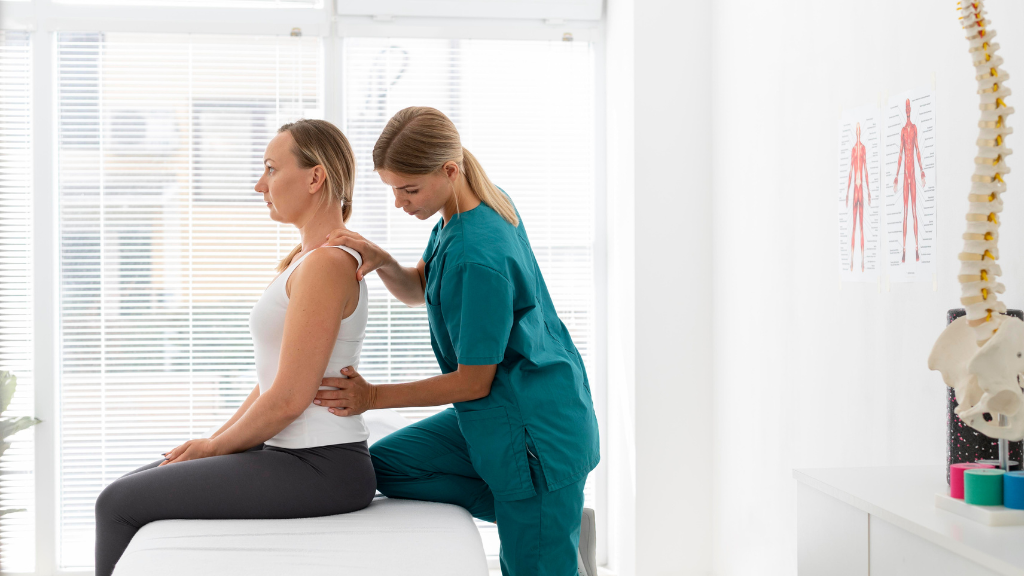
Hands-on therapy, including joint mobilizations, soft tissue release, and targeted manipulation, reduces stiffness and facilitates better joint movement. This supports posture realignment and pain reduction.
5. Postural Re-Education & Habit Training
Through guided practice and feedback, the physiotherapist teaches you how to maintain correct alignment during daily activities like sitting, walking, and lifting. Over time, these become automatic, reducing the risk of regression.
6. Ergonomic Advice for Daily Life
Ergonomic adjustments are integral for posture for desk workers. Advice on chair height, screen level, lumbar support, and wrist position ensures your environment supports good posture instead of detracting from it.
Top Posture Improvement Exercises
Physiotherapy includes a combination of strengthening and corrective movements tailored to your needs. Here are examples often recommended for posture correction:
Chin Tucks
An effective exercise for forward head posture, this move improves neck alignment and relieves tension. Pull your chin slightly back while keeping your gaze forward, and hold for a few seconds. Repeat regularly.
Scapular Squeezes
This helps correct rounded shoulder correction by strengthening the upper back. Sit or stand tall, squeeze shoulder blades together, hold, and release.
Wall Angels
Performed with back against a wall, this exercise improves mobility and alignment in the upper spine and shoulders, excellent for desk-bound individuals.
Core Strengthening
Planks and bridges stabilize the pelvis and lower back, supporting an upright stance that counters slouching and forward head posture.
Chest Stretch
Using a doorway or wall stretch, you release tight pectoral muscles that contribute to rounded shoulders.
These exercises form part of tailored programs designed by your physiotherapist, based on your specific assessment and needs.
Posture Mistakes to Avoid
Understanding and avoiding common posture mistakes can reduce strain and accelerate improvement:
- Slouching while sitting for hours
- Allowing the head to jut forward toward screens
- Crossing legs or leaning to one side
- Neglecting breaks during prolonged work sessions
- Ignoring pain or stiffness as “normal”
Correcting these habits, alongside targeted therapy, is essential to long-term success.
Ergonomic Tips for Everyday Life
Implementing ergonomic tips makes maintaining good posture easier, especially for office workers. Some practical advice includes:
- Keep your computer monitor at eye level
- Use a supportive chair with adequate lumbar support
- Rest feet flat on the floor with knees at 90°
- Set reminders to stand and stretch every 30–60 minutes
- Position the keyboard and mouse close to avoid reaching forward
These simple ergonomic adjustments reduce stress on the spine and promote a more upright posture throughout the workday.
Dr. Vigil’s Approach to Posture Correction Physiotherapy
At Dr. Vigil’s Advanced Physiotherapy, posture correction physiotherapy is rooted in expert clinical care with patient-centred treatment plans. The team specialises in posture pain orthopedic and musculoskeletal disorders, including postural dysfunction, back pain, neck strain, and joint alignment issues.
Our services include:
- Detailed posture assessments
- Customized therapeutic exercise routines
- Manual therapy
- Ergonomic training & workplace evaluation
- Pain relief modalities
- Home-based posture correction physiotherapy options
Every plan is tailored to your unique postural challenges, helping you achieve long-lasting improvements, whether you’re dealing with forward head posture, rounded shoulders, or general postural fatigue.
Conclusion
Good posture is far more than standing tall. It’s about functional alignment that reduces pain, improves movement, boosts confidence, and enhances overall quality of life. With consistent posture correction physiotherapy, you don’t just treat symptoms; you correct underlying imbalances, educate your body, and build resilience against future discomfort.
If your posture affects your daily activities or causes pain, consider a professional assessment at Dr. Vigil’s Advanced Physiotherapy. Our tailored approach integrates posture improvement exercises, ergonomic guidance, and expert care, so you can stand, sit, and move with confidence and comfort.