




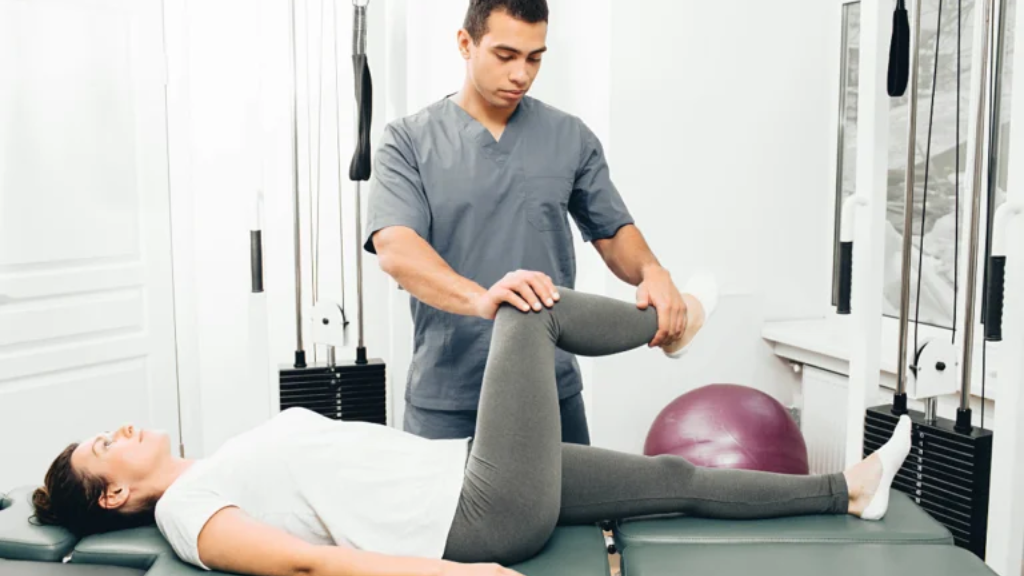
An ACL (Anterior Cruciate Ligament) injury can be a life-altering setback, especially for active individuals. Whether caused by sports, sudden twisting movements, or trauma, recovering from an ACL tear requires a structured and disciplined rehabilitation approach. This is where ACL physiotherapy rehabilitation plays a crucial role in restoring mobility, strength, and confidence.
At Dr. Vigil’s Advanced Physiotherapy, a personalised and evidence-based approach ensures that every patient progresses safely through each stage of recovery. This detailed guide will walk you through the complete ACL recovery physiotherapy journey, including timelines, phases, and effective ACL rehab exercises.
Understanding ACL Injuries and the Need for Rehabilitation
The ACL is a key ligament that stabilises the knee joint during movements like pivoting, jumping, and running. When injured, it disrupts knee stability, often requiring surgery followed by structured ACL physiotherapy rehabilitation.
Recovery is not just about healing the ligament; it involves restoring strength, neuromuscular control, and functional performance. Without proper ACL recovery physiotherapy, patients risk re-injury, instability, and long-term complications. If you’re already dealing with general knee pain treatment with physiotherapy concerns, structured rehab becomes even more important.
ACL Recovery Timeline: What to Expect
The knee ligament recovery time varies depending on factors like age, injury severity, surgical method, and commitment to rehab. However, most structured programs follow a timeline of 9 to 12 months for full recovery. ACL physiotherapy rehabilitation is divided into multiple phases, each with specific goals and exercises.
Phase 1: Immediate Post-Surgery (0-2 Weeks)
This is the most critical stage of post ACL surgery physio, focused on protecting the knee and reducing inflammation. Structured post-surgery orthopedic physiotherapy sets the foundation for everything that follows.
Goals:
- Control pain and swelling
- Restore full knee extension
- Activate the quadriceps muscles
- Begin gentle mobility
Recommended ACL rehab exercises:
- Ankle pumps
- Quadriceps sets
- Heel slides
- Passive knee extension
Early movement is essential to prevent stiffness and improve circulation. Achieving full knee extension early significantly impacts long-term outcomes.
At this stage, ACL physiotherapy rehabilitation also includes guided support like electrotherapy, manual therapy, and swelling management techniques offered at Dr. Vigil’s.
Phase 2: Early Rehabilitation (2-6 Weeks)
As healing progresses, ACL recovery physiotherapy focuses on restoring the range of motion and improving basic strength.
Goals:
- Achieve a near full range of motion
- Gradually increase weight-bearing
- Improve gait pattern
- Build initial strength
ACL rehab exercises:
- Straight leg raises
- Mini squats
- Stationary cycling
- Hamstring strengthening
Patients typically begin walking without crutches once they regain control and stability. Consistent ACL physiotherapy rehabilitation during this phase ensures proper joint alignment and prevents compensatory movement patterns.
Phase 3: Strength & Stability Phase (6-12 Weeks)
This is where ACL recovery physiotherapy becomes more intensive.
Goals:
- Build muscle strength (quadriceps, hamstrings, glutes)
- Improve balance and proprioception
- Restore full knee movement
ACL rehab exercises:
- Leg press
- Lunges
- Step-ups
- Balance board training
Strength training is introduced gradually with controlled resistance. This phase is crucial because poor muscle strength can delay knee ligament recovery time. Dr. Vigil’s Advanced Physiotherapy incorporates advanced strengthening programs and neuromuscular training to enhance joint stability.
Phase 4: Advanced Strengthening & Functional Training (3-6 Months)
At this stage, ACL physiotherapy rehabilitation shifts toward functional movement.
Goals:
- Improve endurance
- Enhance coordination
- Prepare for dynamic activities
ACL rehab exercises:
- Single-leg squats
- Resistance band drills
- Core strengthening
- Light jogging
The knee must tolerate higher loads, and exercises become more dynamic. According to rehab protocols, progression depends on functional ability rather than just time. This phase of ACL recovery physiotherapy is essential for reducing re-injury risk.
Phase 5: Return to Sport (6-9+ Months)
The final phase of post ACL surgery physio focuses on sport-specific training. For athletes, especially runners, our specialised guide on physiotherapy for runners offers additional insights into safe return-to-sport strategies.
Goals:
- Restore agility and power
- Improve reaction time
- Ensure psychological readiness
ACL rehab exercises:
- Plyometric drills
- Agility ladder exercises
- Sprint training
- Sport-specific movements
Returning to sports too early can significantly increase the risk of re-injury. Proper ACL physiotherapy rehabilitation ensures that the knee is strong, stable, and fully functional before clearance.
Key Factors Affecting Knee Ligament Recovery Time
The knee ligament recovery time is not the same for everyone. Several factors influence recovery speed:
1. Severity of Injury
Complete tears require longer ACL recovery physiotherapy compared to partial tears.
2. Surgical Technique
Modern surgical methods improve outcomes but still require consistent post ACL surgery physio.
3. Patient Compliance
Skipping ACL rehab exercises can delay healing and compromise results.
4. Muscle Strength
Weak quadriceps and hamstrings slow down ACL physiotherapy rehabilitation.
5. Professional Guidance
Working with experts like Dr. Vigil’s Advanced Physiotherapy ensures safe progression.
Importance of Physiotherapy in ACL Recovery
ACL physiotherapy rehabilitation is not optional; it is the backbone of recovery.
Benefits include:
- Faster healing
- Improved joint stability
- Reduced pain and swelling
- Prevention of complications
- Safe return to activity
At Dr. Vigil’s, patients benefit from comprehensive services such as manual therapy, exercise therapy, sports physiotherapy, and personalised recovery plans, all essential for effective ACL recovery physiotherapy.
Common Mistakes During ACL Rehab
Even with the best intentions, mistakes can delay recovery.
1. Rushing the Process
Ignoring the recommended knee ligament recovery time can lead to re-injury.
2. Skipping Exercises
Consistency in ACL rehab exercises is critical.
3. Poor Technique
Incorrect exercise form can strain the knee.
4. Ignoring Pain Signals
Pain and swelling indicate that the rehab intensity may need adjustment. Knowing when to see a physiotherapist immediately helps prevent setbacks.
5. Lack of Professional Supervision
Guided ACL physiotherapy rehabilitation ensures correct progression.
Advanced Physiotherapy Techniques for Faster Recovery
Modern clinics like Dr. Vigil’s Advanced Physiotherapy use advanced techniques to enhance ACL recovery physiotherapy:
- Electrotherapy for pain relief
- Manual therapy for mobility
- Strength training programs
- Balance and proprioception training
- Sports-specific rehabilitation
These approaches improve outcomes and optimise knee ligament recovery time. For overall preventive care, exploring the benefits of physiotherapy shows why early intervention matters.
When Can You Return to Normal Activities?
Returning to daily activities depends on progress:
- Walking without support: 4-6 weeks
- Light jogging: 3-4 months
- Sports training: 6-9 months
- Full return to sports: 9-12 months
This timeline highlights the importance of structured post ACL surgery physio and adherence to ACL physiotherapy rehabilitation protocols.
Tips for a Successful ACL Recovery
- Follow your physiotherapist’s plan strictly
- Perform ACL rehab exercises consistently
- Maintain a healthy diet for healing
- Avoid high-impact activities too soon
- Track progress and milestones
A disciplined approach to ACL recovery physiotherapy ensures better outcomes and long-term knee health.
Conclusion
Recovering from an ACL injury is a gradual and structured journey that demands patience, commitment, and expert guidance. From the early stages of post ACL surgery physio to advanced functional training, every phase of ACL physiotherapy rehabilitation plays a vital role in restoring knee strength and stability.
Understanding the knee ligament recovery time and following a customised rehabilitation plan can make all the difference. With expert care, advanced techniques, and a patient-centered approach, Dr. Vigil’s Advanced Physiotherapy helps individuals achieve safe and complete recovery. If you’re dealing with an ACL injury, investing in professional ACL recovery physiotherapy is the key to regaining mobility, confidence, and an active lifestyle.
FAQ's
ACL physiotherapy rehabilitation typically takes around 9 to 12 months for a full recovery, depending on the severity of the injury, surgical procedure, and patient consistency. The knee ligament recovery time may vary, but structured ACL recovery physiotherapy at Dr. Vigil's Advanced Physiotherapy ensures safe and gradual progress through each phase.
ACL rehab exercises usually begin within the first few days after surgery under professional guidance. Early post ACL surgery physio focuses on gentle movements like ankle pumps and quad activation, gradually progressing to strength and stability exercises as healing improves. Specialists at Dr. Vigil's Advanced Physiotherapy customise this phase based on each patient's recovery rate.
Yes, ACL physiotherapy rehabilitation is essential for proper recovery. Without structured ACL recovery physiotherapy, patients may experience poor knee stability, delayed healing, and a higher risk of re-injury. The expert team at Dr. Vigil's Advanced Physiotherapy designs evidence-based programs that restore strength, mobility, and function effectively.
Some of the most effective ACL rehab exercises include quadriceps sets, heel slides, straight leg raises, squats, lunges, and balance training. These exercises are introduced progressively during ACL physiotherapy rehabilitation to support strength and stability throughout the knee ligament recovery time. Dr. Vigil's Advanced Physiotherapy ensures each exercise is performed with correct form for maximum benefit.
Return to sports usually occurs between 6 to 12 months, depending on progress and functional recovery. Proper completion of post ACL surgery physio and advanced ACL rehab exercises is crucial before resuming high-impact activities. At Dr. Vigil's Advanced Physiotherapy, return-to-sport clearance is given only after thorough functional testing to ensure the knee is fully stable and ready.