





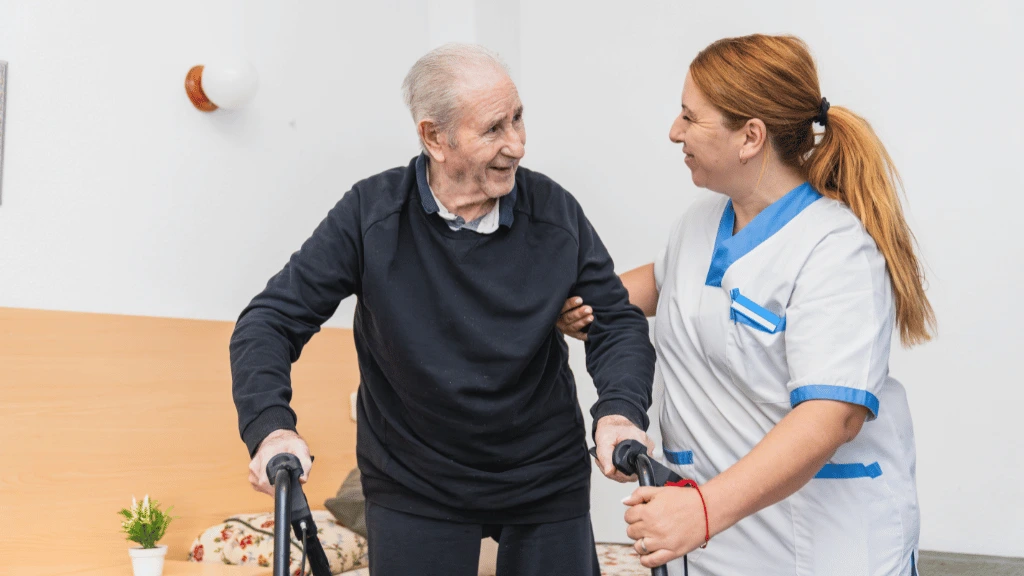
Home physiotherapy for elderly patients has become one of the most practical ways to manage age-related mobility issues, chronic pain, and post-illness recovery, without the added strain of traveling to a clinic. For many older adults, getting to an appointment is itself exhausting or risky, which often means treatment gets delayed or skipped entirely. Bringing physiotherapy into the home removes that barrier and, in our clinical experience, often leads to better consistency and faster progress simply because it’s easier to stick with.
But home physiotherapy for elderly patients isn’t just about convenience. Certain conditions in particular respond very well to this kind of care, and understanding which ones can help you decide whether it’s the right approach for a parent, grandparent, or elderly loved one.
Why Home-Based Care Works Especially Well for Older Adults
As people age, several practical challenges make clinic visits harder than they should be: reduced mobility, fear of falling, difficulty with transport, fatigue from travel, or simply the disorientation that comes with an unfamiliar environment. This is exactly the gap that home physiotherapy for elderly patients is designed to close. According to information published by the National Institute on Aging (NIA), part of the U.S. National Institutes of Health, falls are a leading cause of injury among older adults, and familiar surroundings, along with a personalized care plan, play a meaningful role in reducing that risk during rehabilitation.
Home physiotherapy for elderly patients directly addresses this, allowing treatment to happen in the same environment where the person actually needs to function safely, whether that’s navigating stairs, getting in and out of bed, or moving around the kitchen.
Conditions That Respond Well to Home Physiotherapy for Elderly Patients
1. Arthritis and Joint Pain
Osteoarthritis and general joint stiffness are extremely common in older adults, often affecting the knees, hips, and spine. Regular movement and targeted strengthening are essential for managing this, but travel discomfort can discourage consistent attendance at a clinic. A structured arthritis physiotherapy plan delivered at home makes it far easier to stay consistent, which matters more for arthritis management than almost any single treatment technique.
2. Post-Stroke Recovery
Stroke survivors frequently deal with weakness, balance issues, and reduced mobility on one side of the body. Since falls are a genuine risk during this recovery period, home-based neuro physiotherapy allows therapists to train balance and movement in the exact environment where the patient will actually be walking, reaching, and transferring day to day, which tends to translate into safer, more practical progress than clinic-only sessions.
3. Post-Surgical and Post-Fracture Recovery
Hip fractures, knee replacements, and other orthopedic surgeries are common in older adults, and early, guided movement is critical for recovery. However, travel immediately after surgery is often unsafe or simply not possible. Home physiotherapy allows rehabilitation to begin sooner, right where the recovery actually needs to happen.
4. Parkinson’s Disease and Other Neurological Conditions
Conditions affecting movement control, balance, and coordination benefit significantly from consistent, structured exercise. Home-based sessions make it easier to maintain the regularity that these conditions require, since even short gaps in treatment can noticeably affect symptom management.
5. General Weakness and Deconditioning
After a hospital stay, prolonged illness, or extended bed rest, many elderly patients experience significant muscle weakness, sometimes called deconditioning. This isn’t a single diagnosis but rather a decline in strength and stamina that makes daily tasks harder. A gradual, supervised home exercise program is often the safest way to rebuild strength without overexertion.
6. Balance Issues and Fall Prevention
Even without a specific diagnosis, many older adults simply feel less steady on their feet over time. Balance training, done consistently in the home environment, is one of the most effective ways to reduce fall risk, and it’s far easier to practice realistic scenarios, like getting up from a favorite chair or navigating a hallway, when therapy happens exactly where those situations occur.
If you’d like a broader overview of how physiotherapy supports independence in older age more generally, our guide on physiotherapy for seniors covers additional conditions and everyday mobility strategies worth knowing about.
What a Home Physiotherapy Session Actually Involves
A typical home physiotherapy session for the elderly usually includes a combination of the following, adjusted to the individual’s specific condition and energy levels:
- A check-in on current pain, mobility, and any changes since the last session
- Guided exercises for strength, flexibility, or balance, using minimal equipment
- Hands-on techniques where appropriate, such as gentle joint mobilization or manual therapy
- Practical training on specific daily tasks, like safely getting in and out of a chair or bed
- Guidance for family members on how to safely support exercises between sessions
Because home visit physiotherapy is delivered one-on-one in a familiar setting, therapists are also able to observe real household hazards, like loose rugs, poor lighting, or awkward furniture layouts, and offer practical suggestions that a clinic-based session simply couldn’t provide.
Is Home Physiotherapy for Elderly Patients Always the Right Choice?
Not necessarily, and it’s worth being honest about that. Some conditions genuinely benefit from equipment only available in a clinic, such as certain machines used for strength training or specialized balance equipment. In these cases, a hybrid approach, combining home sessions with occasional clinic visits, often works best. A proper assessment can help determine which setting, or combination of settings, will support the fastest and safest recovery for that specific patient.
The Role of Family in Supporting Recovery
Family involvement often makes a meaningful difference in how well elderly patients respond to home physiotherapy for elderly care plans. A few things that genuinely help:
- Encouraging consistency with prescribed exercises between sessions
- Learning safe ways to assist with mobility, rather than unintentionally doing too much for the patient
- Keeping the home environment as safe and clutter-free as possible
- Communicating any changes in condition, mood, or confidence to the physiotherapist promptly
Conclusion
Home physiotherapy for elderly patients isn’t just a convenient alternative to clinic visits; it’s often the more effective option for conditions like arthritis, post-stroke recovery, post-surgical rehabilitation, Parkinson’s disease, general weakness, and fall prevention, where consistency, safety, and a familiar environment genuinely improve outcomes. If mobility, chronic pain, or fall risk has been affecting an elderly parent or loved one, a proper assessment can help determine exactly which approach will support their recovery best. At Dr. Vigil’s Advance Physiotherapy, our home visit team builds every plan around the patient’s specific condition, home environment, and pace of recovery.