




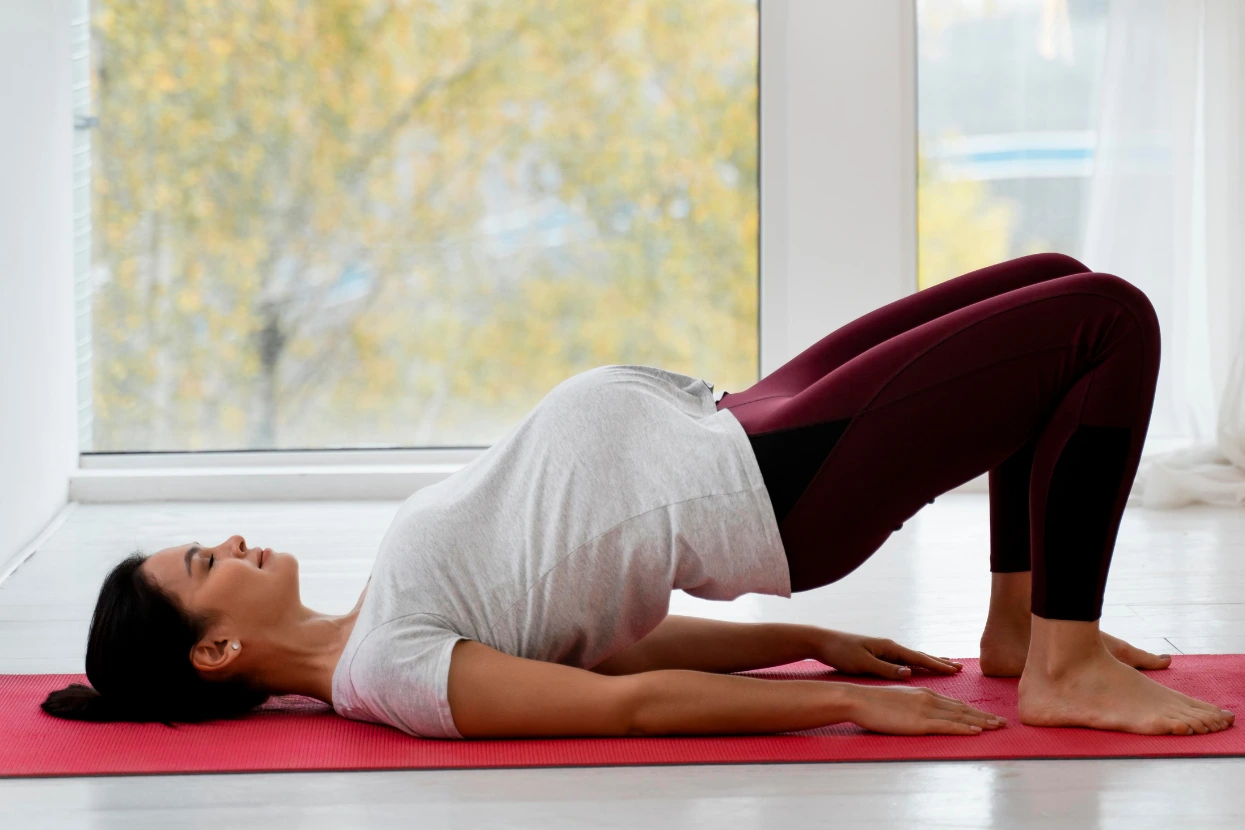
Pelvic floor physiotherapy in Mira Road at Dr. Vigil’s Advanced Physiotherapy helps women with bladder leaks, pelvic pain, a weak or tense pelvic floor and recovery after childbirth. Our physiotherapists assess you in private, explain what they find in simple words, and build a plan of exercises and habits you can follow at home. We see patients at our clinics in Mira Road and Mira Bhayandar.
Many women think leaking urine or pelvic pain is just part of being a mother or growing older. It is common, but you do not have to simply put up with it.
What is the pelvic floor?
The pelvic floor is a group of muscles at the base of your pelvis. They support the womb, bladder and bowel and help you control when you pass urine and stool. When they are weak, you may leak urine when you cough, sneeze or laugh. When they are too tight, they can cause pelvic pain. Pregnancy, childbirth and surgery can weaken, tighten or strain these muscles. A caesarean birth does not protect the pelvic floor from strain, so every new mother can benefit from care.
The NHS says strong pelvic floor muscles can help with leaks, prolapse and sex. Pelvic floor physiotherapy in Mira Road gives you that care close to home.
Signs your pelvic floor may need help
| Sign | What it may mean | How we help |
|---|---|---|
| Leaking urine when you cough, sneeze or laugh | Weak pelvic floor muscles | Correct technique, strengthening and a home routine |
| A strong sudden urge to pass urine, or going very often | A bladder and pelvic floor problem that needs assessment | Assessment, bladder habit advice and pelvic floor training |
| Pain in the lower tummy, tailbone, buttocks or pelvis | Tight or tense pelvic floor muscles | Relaxation, breathing, posture work and gentle stretching |
| A heavy or dragging feeling in the pelvis | Needs a doctor’s check first | We plan safe exercise once your doctor has seen you |
What happens in pelvic floor physiotherapy in Mira Road
- Private assessment: we ask about your symptoms, childbirth history and daily routine, and check your posture, breathing, core and back.
- Clear explanation: we tell you what we find and what is realistic. You can stop at any time.
- Personal plan: strengthening for weak muscles, relaxation and breathing for tight ones, plus posture exercises.
- Home programme and review: a short routine tailored to you, and regular re-checks.
Treatment is non-surgical, and how long it takes depends on your needs and goals.
Kegel exercises: how to do them
Kegels are exercises that squeeze and release the pelvic floor muscles. The NHS says you can find the muscles by imagining you are stopping yourself passing wind or urine. Squeeze them quickly without pulling your tummy in, hold for 2 seconds, relax, and repeat 10 times. Breathe normally, and slowly build up to holding each squeeze for 10 seconds. Expect to keep this up for a few months before you notice a difference.
Kegels are not right for every problem. If your pelvic floor is already tight, squeezing harder can make pain worse, so our pelvic floor physiotherapy in Mira Road starts with an assessment.
Pelvic floor care in pregnancy and after birth
You can start pelvic floor exercises before, during or after pregnancy. A pelvic girdle pain leaflet from South Tees NHS advises pelvic floor exercises, with long holds and quick squeezes, at least three times a day, and tightening the muscles before you lift or turn in bed. After delivery, ask your doctor when you can begin, then we help you build up gently. It also supports your core and back, so it pairs with our back pain physiotherapy and posture correction physiotherapy. Read our blog on pelvic floor therapy for new moms.
Who should see a doctor first?
See your doctor before starting if you have blood in your urine, fever or burning when you pass urine, a heavy dragging feeling in the pelvis, severe pelvic pain, or heavy bleeding or fever after delivery. Get urgent medical help for sudden loss of bladder or bowel control with numbness or back pain.
Why choose Dr. Vigil’s for pelvic floor physiotherapy in Mira Road?
- Physiotherapist-led: qualified physiotherapists look at your pelvic floor, core, back and posture together.
- Private, one-on-one care: you are assessed and treated in a private room.
- Assessment before exercise: weak and tight muscles need different care.
- Plan for your stage of life: pregnant, newly delivered or years after birth. See our personalised wellness plan for overall health.
- Honest advice: we never promise a cure or fixed results, and we tell you when to see a doctor.
Pelvic floor care is part of our women’s health physiotherapy in Mira Road services, and we also offer physiotherapy in Mira Road for pain and injury.
Pelvic floor physiotherapy in Mira Road, Mira Bhayandar and nearby areas
We see patients at two clinics: Mira Road (Shanti Nagar, Sector 9) and Mira Bhayandar (Beverly Park, near Cinemax Road), open 7 days a week. We serve Mira Road, Bhayandar, Kashimira, Naya Nagar, Poonam Vihar and nearby areas.
Book Your Pelvic Floor Assessment
Start with an assessment. We will listen to your concerns, explain what is realistic and plan your pelvic floor physiotherapy in Mira Road at the branch nearest you. Call Mira Road on +91 88799 89583 or Mira Bhayandar on +91 86551 88896. Both clinics are open 7 days a week.
Pelvic floor physiotherapy FAQs
It is non-surgical care that helps your pelvic floor muscles work well. A physiotherapist assesses your muscles, posture and breathing, then gives strengthening or relaxation exercises and a home routine, depending on what you need.
Women who leak urine, have pelvic pain, feel a strong sudden urge to pass urine, or want care in pregnancy and after childbirth. Vaginal and caesarean births can both strain the pelvic floor.
It is common, but you do not have to live with it. A physiotherapy assessment can show whether weak muscles are the cause. If you have blood in your urine, fever or burning, see your doctor first.
The NHS suggests squeezing quickly, holding for 2 seconds, relaxing and repeating 10 times, then building up to 10-second holds while breathing normally. Because Kegels do not suit everyone, get an assessment before you start.
Yes, most women can start before, during or after pregnancy. Ask your doctor or midwife if you have any complication, and we will tailor the exercises to your stage of pregnancy.
Ask your doctor, who usually reviews you about 6 weeks after birth. Some gentle pelvic floor activation may be fine earlier, but get your doctor’s approval before you add exercise.
It depends on your symptoms and goals. After the first assessment we tell you what to expect and review your plan as you progress. We cannot promise a fixed number or result.
At Dr. Vigil’s Advanced Physiotherapy: Mira Road (Shanti Nagar, Sector 9), call +91 88799 89583, or Mira Bhayandar (Beverly Park, near Cinemax Road), call +91 86551 88896. Both clinics are open 7 days a week.