




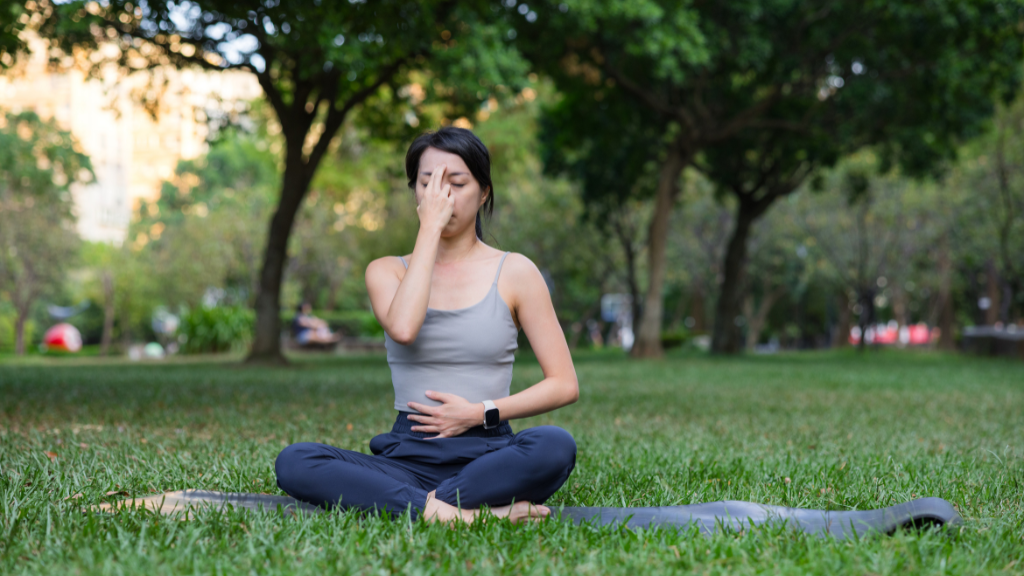
Breathing is something we do every second, yet most people rarely think about how they breathe. In physiotherapy, however, breathing is not just a basic function; it is a powerful therapeutic tool. Breathing exercises physiotherapy techniques are widely used to improve lung function, enhance oxygen flow, reduce pain, and calm the nervous system.
At Dr. Vigil’s Advance Physiotherapy, breathing-based rehabilitation is integrated into treatment plans for patients dealing with respiratory issues, post-surgical recovery, chronic pain, and even stress-related disorders. This blog explores how breathing exercises physiotherapy works, why it matters, and which techniques can help you improve lung health and reduce pain naturally.
Understanding Breathing in Physiotherapy
In physiotherapy, breathing is not just about inhaling and exhaling, it’s about efficiency, control, and coordination with the body. Poor breathing patterns, often caused by stress or injury, can reduce oxygen intake and increase muscle tension.
Physiotherapy breathing exercises are designed to:
- Improve lung capacity
- Strengthen respiratory muscles
- Enhance oxygen exchange
- Reduce strain on the body
Breathing exercises help the lungs function more efficiently, increase oxygen levels, and reduce stress responses in the body. This is why breathing exercises physiotherapy is used in treating conditions like:
- Chronic back pain
- Anxiety and panic disorders
- Post-COVID recovery
- Asthma and COPD
- Post-surgical rehabilitation
Why Breathing Exercises Matter for Lung Health
Healthy lungs are essential for overall well-being. However, modern lifestyles, long sitting hours, stress, and pollution, can reduce lung efficiency.
Key Benefits of Breathing Exercises
1. Improves Lung Capacity
Practicing physio for lung capacity helps expand the lungs and improve oxygen intake. Lung exercises can remove stale air and allow fresh oxygen to circulate more effectively.
2. Strengthens the Diaphragm
The diaphragm is responsible for nearly 80% of breathing function. Strengthening it through diaphragmatic breathing exercises improves breathing efficiency.
3. Reduces Work of Breathing
Efficient breathing reduces energy consumption and helps the body function better, especially during recovery or physical activity.
4. Enhances Oxygen Supply
Better oxygen delivery improves organ function, boosts energy levels, and aids healing.
5. Clears Lung Secretions
Breathing techniques used in breathing exercises physiotherapy help mobilize mucus and improve airway clearance.
The Connection Between Breathing and Pain
One of the most underrated benefits of breathing exercises physiotherapy is pain reduction. When you experience pain, your breathing often becomes shallow and rapid. This leads to:
- Muscle tension
- Reduced oxygen supply
- Increased stress response
This is where breathing exercises for anxiety and pain become crucial.
How Breathing Reduces Pain
- Activates the parasympathetic nervous system (relaxation mode)
- Reduces muscle tightness
- Improves blood circulation
- Lowers stress hormones
Breathing techniques can help reduce stress, anxiety, and even chronic pain conditions.
10 Effective Breathing Exercises in Physiotherapy
Here are the most effective physiotherapy breathing exercises used by experts:
- Diaphragmatic Breathing (Belly Breathing)
This is one of the most important diaphragmatic breathing exercises in physiotherapy.
How to do it:
- Lie down or sit comfortably
- Place one hand on your chest, one on your abdomen
- Inhale deeply through your nose
- Let your stomach rise, not your chest
- Exhale slowly
Benefits:
- Improves physio for lung capacity
- Reduces stress
- Enhances oxygen intake
- Pursed-Lip Breathing
A simple yet powerful breathing exercises physiotherapy technique.
Steps:
- Inhale through your nose
- Exhale slowly through pursed lips
Benefits:
- Improves breathing control
- Helps in lung conditions
- Supports breathing exercises for anxiety and pain
- Segmental Breathing
This technique focuses on expanding specific parts of the lungs.
How it helps:
- Improves localized lung expansion
- Boosts physio for lung capacity
- Used in post-surgical physiotherapy
- Deep Breathing Exercise
One of the simplest physiotherapy breathing exercises.
Steps:
- Take a slow deep breath
- Hold for a few seconds
- Exhale completely
Benefits:
- Increases oxygen levels
- Promotes relaxation
5. Box Breathing
Widely used for breathing exercises for anxiety and pain.
Steps:
- Inhale for 4 seconds
- Hold for 4 seconds
- Exhale for 4 seconds
- Hold again
Benefits:
- Calms the nervous system
- Improves focus
6. Rib Cage Breathing
A targeted breathing exercises physiotherapy method.
How it works:
- Place hands on ribs
- Expand ribs sideways while breathing
Benefits:
- Improves chest mobility
- Enhances lung expansion
7. Humming Breathing
A lesser-known but effective physiotherapy breathing exercises.
Steps:
- Inhale deeply
- Exhale while humming
Benefits:
- Improves oxygenation
- Reduces stress
8. Alternate Nostril Breathing
Used in both physiotherapy and relaxation therapies.
Benefits:
- Balances breathing
- Supports breathing exercises for anxiety and pain
9. Incentive Breathing (Post-Surgery)
Often used in clinical settings.
Benefits:
- Prevents lung collapse
- Improves physio for lung capacity
10. Relaxed Breathing Technique
A gentle method for recovery.
Benefits:
- Reduces fatigue
- Improves breathing rhythm
Role of Physiotherapy in Lung Health
While self-practice helps, guided therapy is essential for optimal results. At Dr. Vigil’s Advance Physiotherapy, experts design personalized plans using breathing exercises physiotherapy techniques combined with:
- Pulmonary rehabilitation
- Pain management therapy
- Post-operative physiotherapy
- Sports injury rehabilitation
- Neurological physiotherapy
These services ensure that physiotherapy breathing exercises are performed correctly and safely for maximum benefit.
Who Should Practice Breathing Exercises?
Breathing exercises physiotherapy is beneficial for:
- People with lung conditions
- Individuals with chronic pain
- Office workers with poor posture
- Athletes
- Patients recovering from surgery
- Anyone experiencing stress or anxiety
Especially, breathing exercises for anxiety and pain are highly effective for people dealing with:
- Panic attacks
- Muscle tension
- Back or neck pain
How Often Should You Practice?
For best results:
- Practice daily for 10-15 minutes
- Combine multiple physiotherapy breathing exercises
- Stay consistent
Consistency is key in improving physio for lung capacity and overall health.
Common Mistakes to Avoid
While practicing breathing exercises physiotherapy, avoid:
- Shallow breathing
- Using chest instead of diaphragm
- Holding breath excessively
- Practicing too fast
- Poor posture
Correct technique is essential, especially in diaphragmatic breathing exercises, to achieve maximum benefits.
When to Seek Professional Help
You should consult a physiotherapist if you experience:
- Persistent shortness of breath
- Chronic pain
- Post-surgery complications
- Anxiety-related breathing issues
At Dr. Vigil’s Advance Physiotherapy, trained professionals guide patients through breathing exercises physiotherapy programs tailored to individual needs.
Final Thoughts
Breathing is more powerful than we often realize. With the right approach, breathing exercises physiotherapy can transform your health, improving lung capacity, reducing pain, and enhancing overall well-being.
From diaphragmatic breathing exercises to structured physiotherapy breathing exercises, these techniques are simple yet highly effective. Whether you want to improve physio for lung capacity or manage stress through breathing exercises for anxiety and pain, the key lies in consistent practice and proper guidance.
If you’re looking to improve your respiratory health or manage pain naturally, incorporating breathing exercises physiotherapy into your routine, and seeking expert care at Dr. Vigil’s Advance Physiotherapy, can make a significant difference in your quality of life.
FAQ's
Breathing exercises in physiotherapy are guided techniques designed to improve lung function, strengthen respiratory muscles, and enhance oxygen flow. They help reduce breathlessness, improve posture, and support recovery from pain, injury, or respiratory conditions.
These exercises expand the lungs, improve airflow, and strengthen the diaphragm. Regular practice helps remove stale air and allows more oxygen to enter the lungs, gradually improving overall lung capacity and efficiency.
Yes, controlled breathing techniques activate the body’s relaxation response, reducing muscle tension and stress levels. This helps in managing both physical pain and anxiety by calming the nervous system and improving blood circulation.
For best results, breathing exercises should be practiced daily for about 10-15 minutes. Consistency is important to see improvements in lung health, breathing patterns, and pain management over time.
These exercises are beneficial for people with respiratory issues, chronic pain, post-surgical recovery, or stress-related conditions. They are also useful for office workers, athletes, and anyone looking to improve overall lung health and breathing efficiency.