





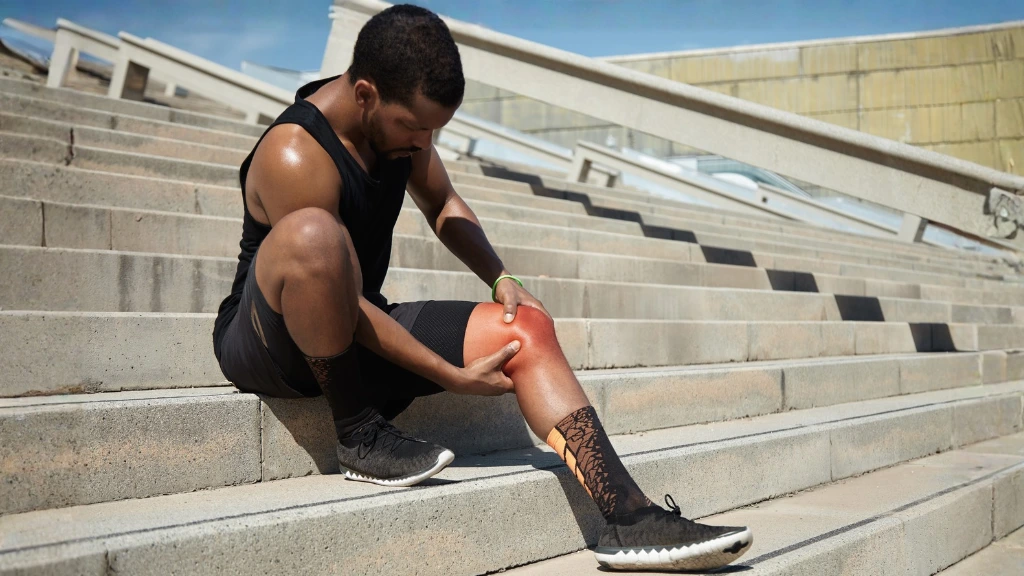
Quick answer: Knee pain when standing up usually happens because the knee gets stiff or irritated after sitting for a long time. The most common reasons are kneecap pain, knee arthritis and weak thigh and hip muscles. Most people feel better with short walking breaks, gentle strengthening and less strain on the knee. See a doctor if the pain lasts more than a few days, or if the knee locks, swells or gives way.
You finish a long meeting, a family lunch or an hour of pooja on the floor. You get up, and your knee gives a sharp or dull pain. The first few steps feel stiff and slow. Many people then start worrying, “Is this arthritis? Is my knee getting weak?”
The good news is that this is very common, and in most cases it can be managed well once you know the cause. Let’s go through it step by step.
Why Does My Knee Hurt When I Stand Up After Sitting?
When you sit with your knees bent, the kneecap presses against the thigh bone, and the joint stays in one position. The muscles around the knee also get tight. When you suddenly stand up, the knee has to take your full body weight, and an irritated or weak knee complains.
Sitting itself is not damaging your knee. It simply shows a problem that is already there, like a sensitive kneecap, early arthritis or weak muscles.
7 Common Causes of Knee Pain When Standing Up
1. Stiffness after sitting for long
If the pain is there only for the first few steps and then settles, it is often just stiffness. The joint was not moving for a long time, so it needs a minute to warm up. If this happens again and again, there is usually something else behind it.
2. Kneecap pain (patellofemoral pain)
This is one of the top reasons. You feel a dull ache in the front of the knee, around or behind the kneecap. It usually gets worse with stairs, squatting and sitting for long. It happens when the hip and thigh muscles do not keep the kneecap moving in line. It can happen at any age, but it is more common in young adults and more often seen in women.
3. Knee arthritis (osteoarthritis)
Arthritis is the most common cause of knee pain in people above middle age. The cartilage in the joint slowly wears down. The typical pattern is stiffness and pain after rest, such as first thing in the morning or after sitting, which eases after a few minutes of walking. Long hours of floor sitting and squatting can add to the strain over the years. If this sounds like you, a physiotherapist who handles arthritis care can help you keep the joint moving and the muscles strong.
4. Weak thigh and hip muscles
Your thigh and hip muscles act like shock absorbers for the knee. When they are weak, the knee takes more load every time you stand, climb stairs or walk. Most people who sit for 8 to 10 hours a day have some weakness here, and do not know it.
5. Meniscus tear or an old injury
The meniscus is the cushion inside the knee. If it is torn, you may feel clicking, a sharp catch when you straighten the knee, swelling, or a feeling that the knee gets stuck. An old sports injury or fall can also cause pain years later.
6. Bursitis or tendon irritation
Small fluid sacs and tendons around the knee can get inflamed from overuse or kneeling. This usually gives pain and tenderness at one particular spot, sometimes with mild swelling.
7. Pain coming from the hip or back
Sometimes the knee is not the real problem. Trouble in the hip or lower back can send pain down to the knee. If your knee looks normal but keeps hurting, this is worth checking.
Where Does It Hurt? A Quick Guide
The place where you feel pain gives a good clue. This is based on guidance from Cleveland Clinic, and only a proper check-up can confirm the cause.
| Where you feel pain | Possible causes |
|---|---|
| Front of the knee | Arthritis, bursitis, kneecap pain |
| Behind the knee | Tendon or ligament injury, arthritis, Baker’s cyst, tight leg muscles |
| Inside edge of the knee | Ligament (MCL) injury, arthritis |
| Outside edge of the knee | Ligament (LCL) injury, meniscus injury, IT band tightness, arthritis |
How to Get Relief at Home
If your pain is mild and there is no injury, these simple steps often help:
- Do not sit for more than 30 minutes at a stretch. Stand up, walk for one or two minutes, then sit again.
- Warm up the knee before standing. Straighten and bend your knee 10 times while seated.
- Stand up the right way. Move to the front of the seat, keep your feet under you, push through both feet and use your hands for support. Avoid twisting.
- Avoid very low seats. Low sofas and stools make the knee work harder. A firmer, slightly higher seat or a cushion helps.
- Take breaks from floor sitting. If you sit cross-legged for pooja or meals, straighten your legs every few minutes.
- Use a warm compress for stiffness and ice for soreness or swelling. Ten to fifteen minutes is enough.
- Pain relief tablets can help for a short time, but they do not fix the cause. If you have stomach, kidney or BP problems, ask your doctor or pharmacist first.
- Reduce extra weight if you can. Even small weight loss lowers the load on your knees.
Simple exercises to start with
Strong thigh muscles protect the knee. Try these slowly, once a day. Mild discomfort is okay, but stop if you feel sharp pain.
- Straight leg raise: Lie on your back, bend one knee, keep the other leg straight. Tighten the thigh and lift the straight leg up to the height of the other knee. Hold for 3 seconds. Do 10 times on each leg.
- Chair sit-to-stand: Sit on a firm chair and stand up slowly, then sit down slowly. Use your hands if needed. Do 8 to 10 times.
- Hamstring stretch: Sit at the edge of a chair, straighten one leg with the heel on the floor, and lean forward gently. Hold for 20 seconds, and repeat on both sides.
For more routines, you can read our guide on physiotherapy exercises for knee pain.
When Should You See a Doctor?
Home care is fine for mild pain, but do not ignore these signs. According to Cleveland Clinic, you should see a healthcare provider if knee pain lasts more than a few days, is bad enough to disturb your daily routine, or makes it hard to move.
Get checked soon if:
- The knee locks, or you cannot fully straighten it
- The knee gives way or feels unstable
- Swelling comes quickly
- The pain keeps getting worse even after rest
- You hear clicking along with pain or catching
Go to the emergency room if the knee is red, hot and swollen with fever, or if you cannot move your leg or put weight on it after a fall or an accident.
How Physiotherapy Helps
Rest and tablets give only short relief. Physiotherapy works on the reason behind the pain. A physiotherapist checks how your knee, hip and foot move, finds which muscles are weak or tight, and builds a plan around that. This usually includes strengthening the thigh and hip muscles, stretching tight areas, hands-on therapy to ease stiffness, and teaching you how to sit, stand and climb stairs with less strain.
A proper knee pain physiotherapy plan is also helpful if the pain keeps coming back. Many people start feeling better within a few weeks of regular work, but the time depends on the cause and how long the problem has been there.
Conclusion
Knee pain when standing up can be annoying and a little scary, but in most cases it comes from stiffness, kneecap strain, early arthritis or weak muscles, and all of these can be improved. Take regular walking breaks, strengthen your thigh and hip muscles, and do not ignore warning signs like locking, swelling or pain that does not settle. If your knee has been troubling you for more than a few days, book an assessment with Dr. Vigil’s Advance Physiotherapy in Mira Road and get a plan made for your knee.